The Complete Guide to On-Site Liquid Nitrogen Generation (2026)
The Complete Guide to On-Site Liquid Nitrogen Generation (2026)
Liquid nitrogen (LN2) is essential for countless laboratory, medical, and industrial applications — from cryopreservation and NMR cooling to semiconductor manufacturing. Traditionally, labs have relied on delivered LN2 in dewars, a model that comes with significant costs, logistical headaches, and supply chain risks.
On-site liquid nitrogen generation is changing this paradigm. By producing LN2 directly from ambient air, modern generators eliminate the need for external suppliers and provide a continuous, on-demand supply. This comprehensive guide covers everything you need to know about on-site LN2 generation in 2026.
What Is On-Site Liquid Nitrogen Generation?
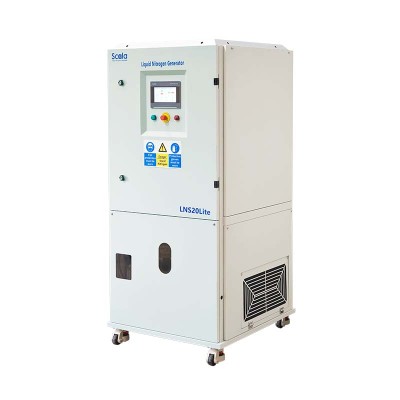
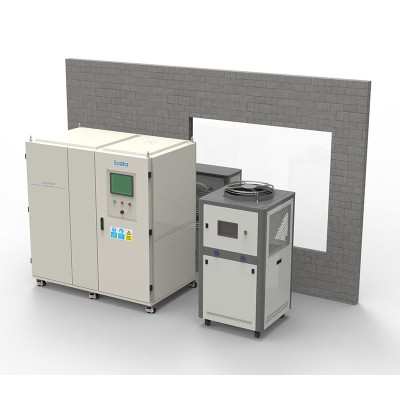
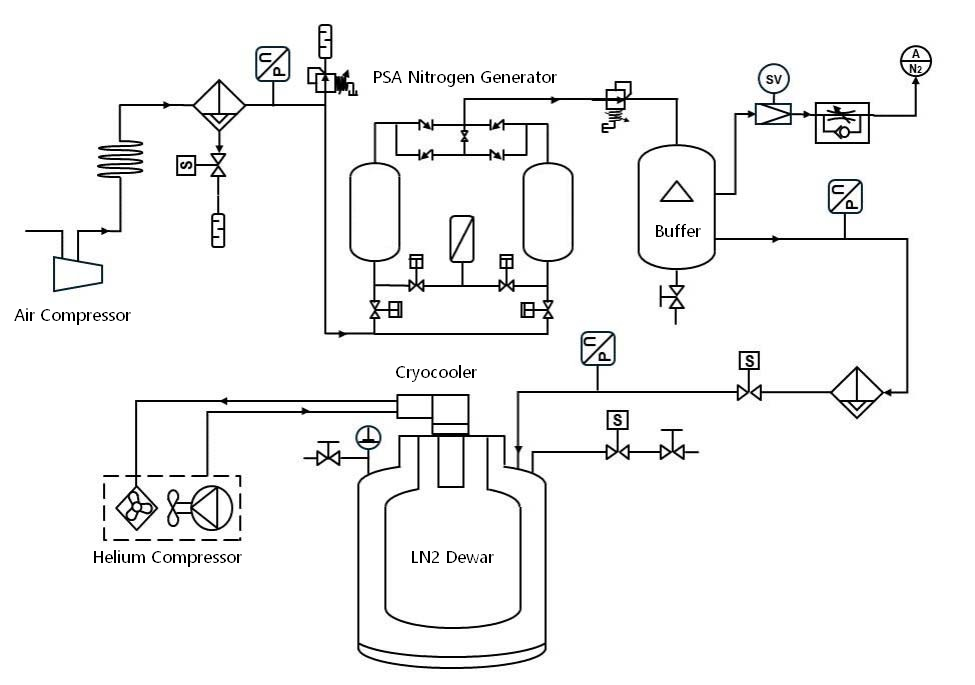
An on-site liquid nitrogen generator is a self-contained system that produces LN2 from compressed ambient air. The process involves three key steps: (1) air compression and purification, (2) nitrogen separation via Pressure Swing Adsorption (PSA), and (3) cryogenic liquefaction using a GM or pulse-tube cryocooler. The resulting LN2 is stored in a vacuum-insulated dewar, ready for on-demand dispensing.
PSA Technology Explained
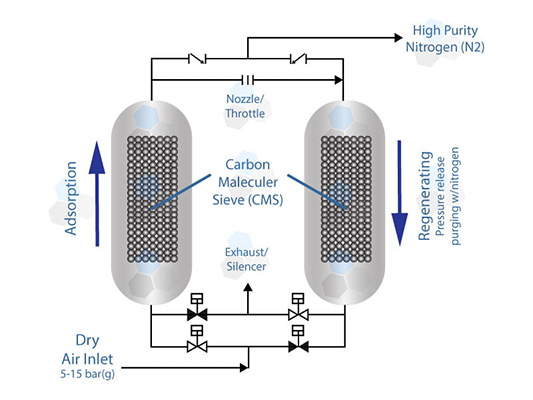
Pressure Swing Adsorption (PSA) is the most common method for nitrogen generation. Compressed air passes through vessels containing carbon molecular sieves (CMS), which selectively adsorb oxygen molecules while allowing nitrogen to pass through. The CMS material, with an average pore diameter of 0.9mm and crush strength exceeding 35N, can achieve nitrogen purities of 99.95% to 99.999%. Two adsorption towers alternate between production and regeneration cycles to ensure continuous nitrogen flow.
Understanding Cryocooler Types
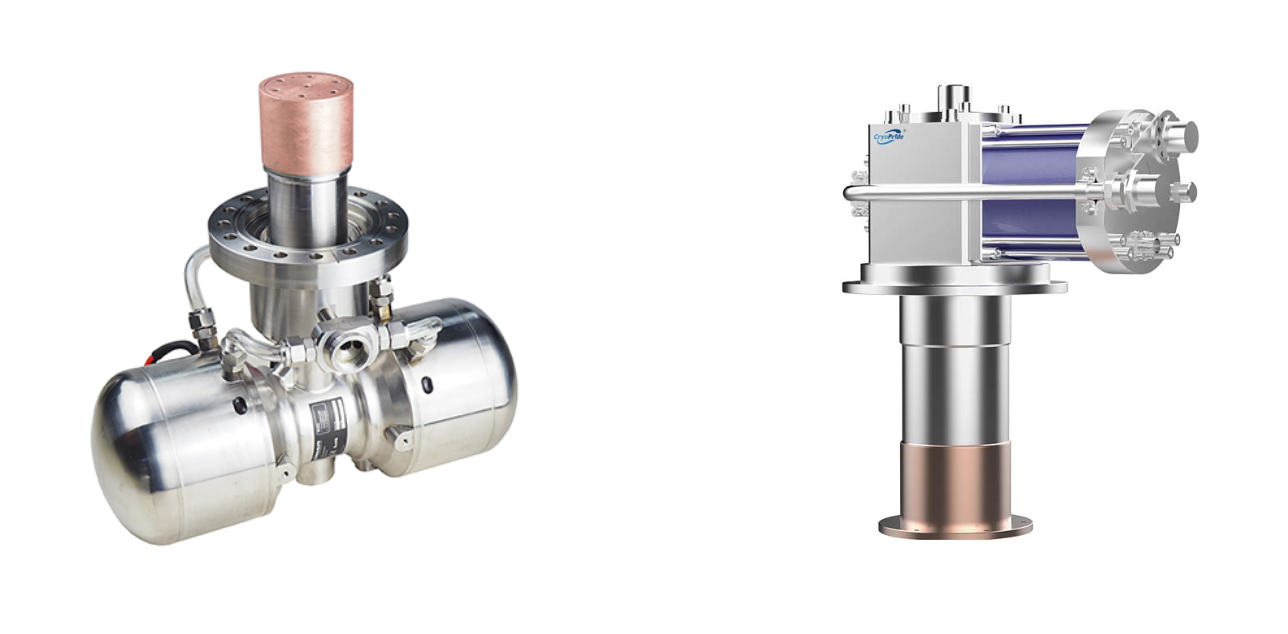
Two primary cryocooler technologies are used in LN2 generators: Gifford-McMahon (GM) and Pulse Tube Cryocoolers (PTC). GM cryocoolers use a displacer piston to achieve cryogenic temperatures, offering rapid cooldown to 77K and high thermodynamic efficiency, thus GM cryocoolers is widely used in larger LN2 generators and lower temperature such as 14K or even 4K. PTCs eliminate moving parts in the cold section entirely, providing superior durability, lower vibration, and quieter operation — ideal for smaller units and noise-sensitive environments.
Cost Comparison: On-Site vs Delivered LN2
For those who need liquid nitrogen regularly might ask this question: "Should I buy liquid nitrogen constantly or should I need a liquid nitrogen generator for long term self-sufficient purpose?" We have summarized some factors you need to consider in an article to help you make your decision. Please refer to the web link in the following for detailed information.
Sizing Guide for Different Lab Types
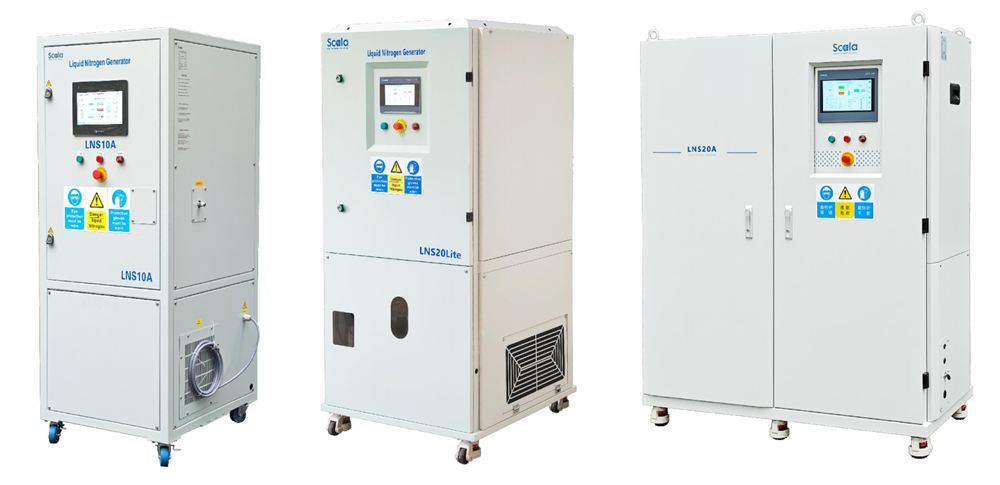
Lab LN2 consumption varies by application: biological sample storage (10–20L/day), IVF/embryology (15–30L/day), NMR cooling (10–40L/day), and industrial cryogenic applications (20–65L/day). Scala's LNS series offers models from 10L/day to 300L/day. A free consumption assessment is available at Scala.
Air-Cooled Models
| Model | LNS10A | LNS20ALITE | LNS20A | LNS20A+ |
|---|---|---|---|---|
| LN₂ Output (>L/D) | 10 | 20 | 20~25 | 20~25 |
| Built-in Dewar (L) | 35 | 35 or 50 | 50 | 100 |
| LN₂ Purity | 99.9% | 99.5% | 99.9% | 99.9% |
| LN₂ Pressure (Max) | 1 bar | 1 bar | 1 bar | 1.5 bar |
| Noise (@1m) | <60 dB(A) | <68 dB(A) | <65 dB(A) | <65 dB(A) |
| Power (kW) | 2.5 | 4 | 4 | 4 |
| Electricity | 220V/1PH | 220V/1PH | 220V/1PH | 220V/1PH |
| Cool Type | Air-cooled | Air-cooled | Air-cooled | Air-cooled |
| Cooling Water | N/A | N/A | N/A | N/A |
| Length (cm) | 80 | 81 | 140 | 140 |
| Width (cm) | 65 | 85 | 75 | 75 |
| Height (cm) | 170 | 180 | 175 | 175 |
| Weight (kg) | 270 | 420 | 500 | 550 |
Water-Cooled Models
| Model | LNS20WLITE | LNS20W | LNS50W | LNS80W |
|---|---|---|---|---|
| LN₂ Output (>L/D) | 20~25 | 20~25 | 45 | 85 |
| Built-in Dewar (L) | 50 | 100 | 100 | 200 |
| LN₂ Purity | >99.5% | >99.9% | >99.5% | >99% |
| LN₂ Pressure (Max) | 1 bar | 2.4 bar | 2.4 bar | 2.4 bar |
| Noise (@1m) | <65 dB(A) | <65 dB(A) | <65 dB(A) | <65 dB(A) |
| Power (kW) | 4 | 4 | 8 | 8 |
| Electricity | 380V/3PH | 380V/3PH | 380V/3PH | 380V/3PH |
| Cool Type | Water-cooled | Water-cooled | Water-cooled | Water-cooled |
| Cooling Water | 10L/min | 10L/min | 20L/min | 30L/min |
| Length (cm) | 81 | 140 | 140 | 165 |
| Width (cm) | 85 | 75 | 75 | 85 |
| Height (cm) | 180 | 175 | 175 | 180 |
| Weight (kg) | 420 | 550 | 700 | 800 |
Maintenance Overview
Scala's LN2 generators are designed for minimal maintenance. Key tasks include replacing air compressor intake filters every 12 months and annual cryocooler parameter checks. Pulse-tube cryocoolers operate for over 120,000 hours without interruption — equivalent to approximately 14 years of continuous operation. GM cryocoolers also provide 5~6 years maintenance interval for continuous operation.
Frequently Asked Questions
Do I need special facilities for an LN2 generator?
No — Scala's LNS series are plug-and-play. Just connect to electrical power.
What purity can I expect?
99% to 99.999%, with a built-in purity analyzer for real-time monitoring.
How reliable are these systems?
Scala's cryocoolers have a proven track record of 120,000+ hours continuous operation.