GM vs Pulse Tube Cryocoolers for LN2 Generator: Which Technology Wins?
The cryocooler is the core component of any liquid nitrogen generator, providing the cryogenic refrigeration required to cool nitrogen gas to its liquefaction temperature of −196°C (77 K). Today, two cryocooler technologies dominate the market: Gifford-McMahon (GM) cryocoolers and Pulse Tube Cryocoolers (PTCs). While both are capable of producing liquid nitrogen efficiently, each offers distinct advantages in terms of cooling capacity, vibration, noise, maintenance requirements, and application suitability.
This article is trying to explain which technology is a better solution for liquid nitrogen generators.
How GM Cryocoolers Work
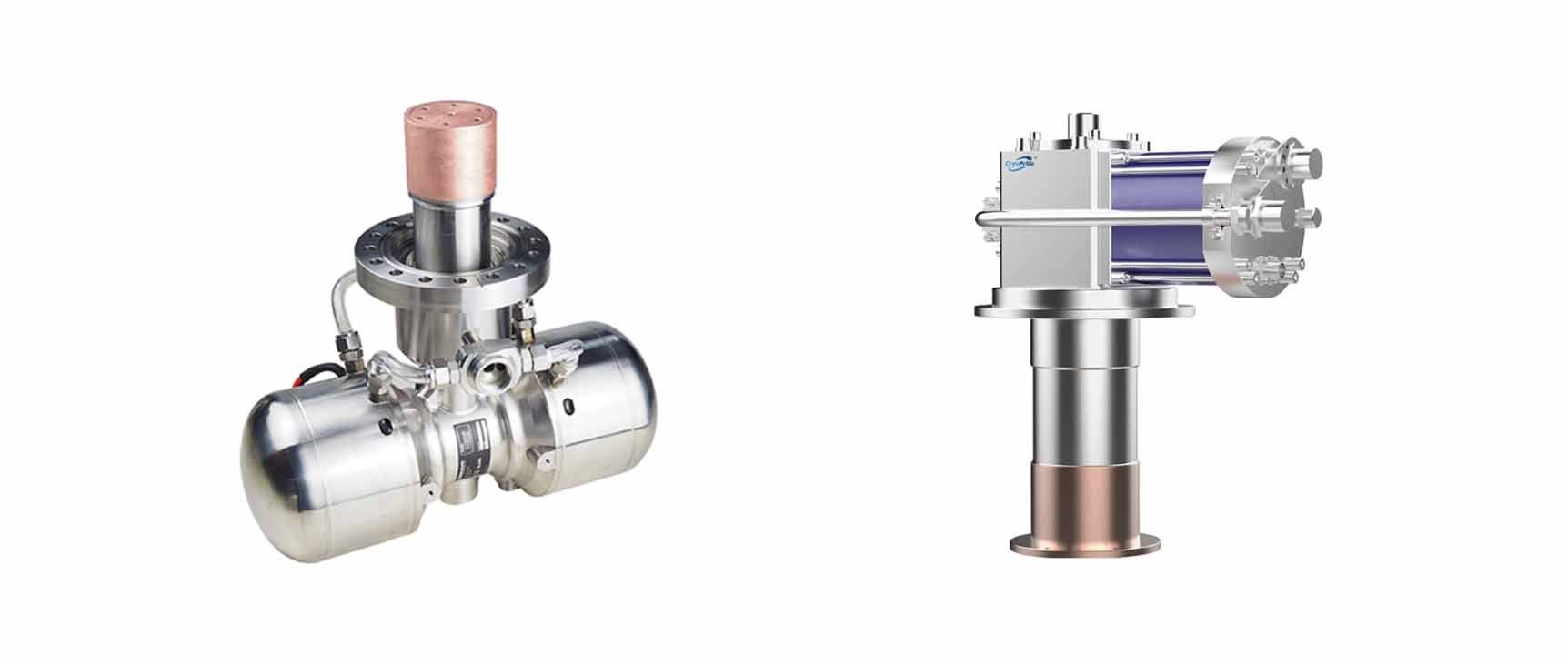
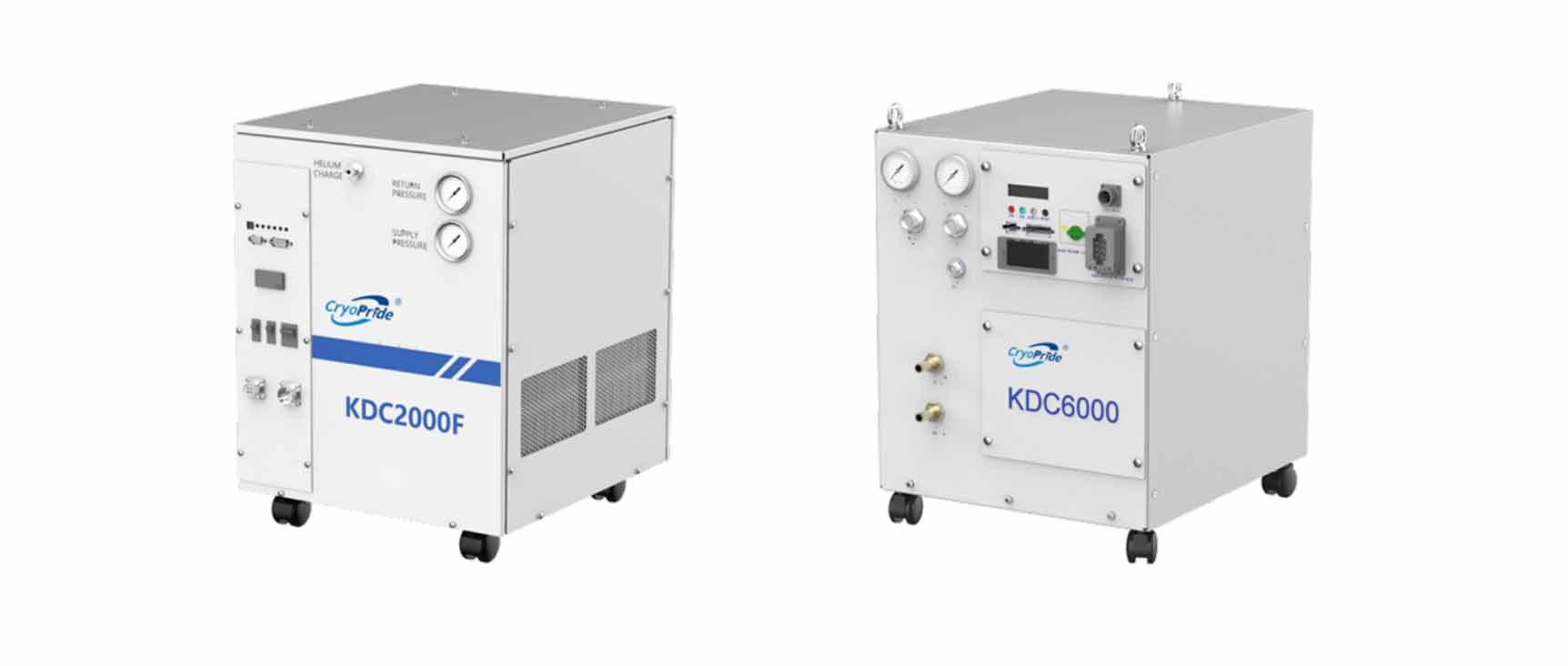
GM cryocoolers use a displacer piston driven by a rotary valve to cyclically pressurize and expand helium gas within a cold head, achieving temperatures as low as 4.2K. For LN2 production, the cold tip is maintained at approximately 77K. Typically, the GM cryocoolers work with a helium compressor to provide cold source.
How Pulse Tube Cryocoolers Work
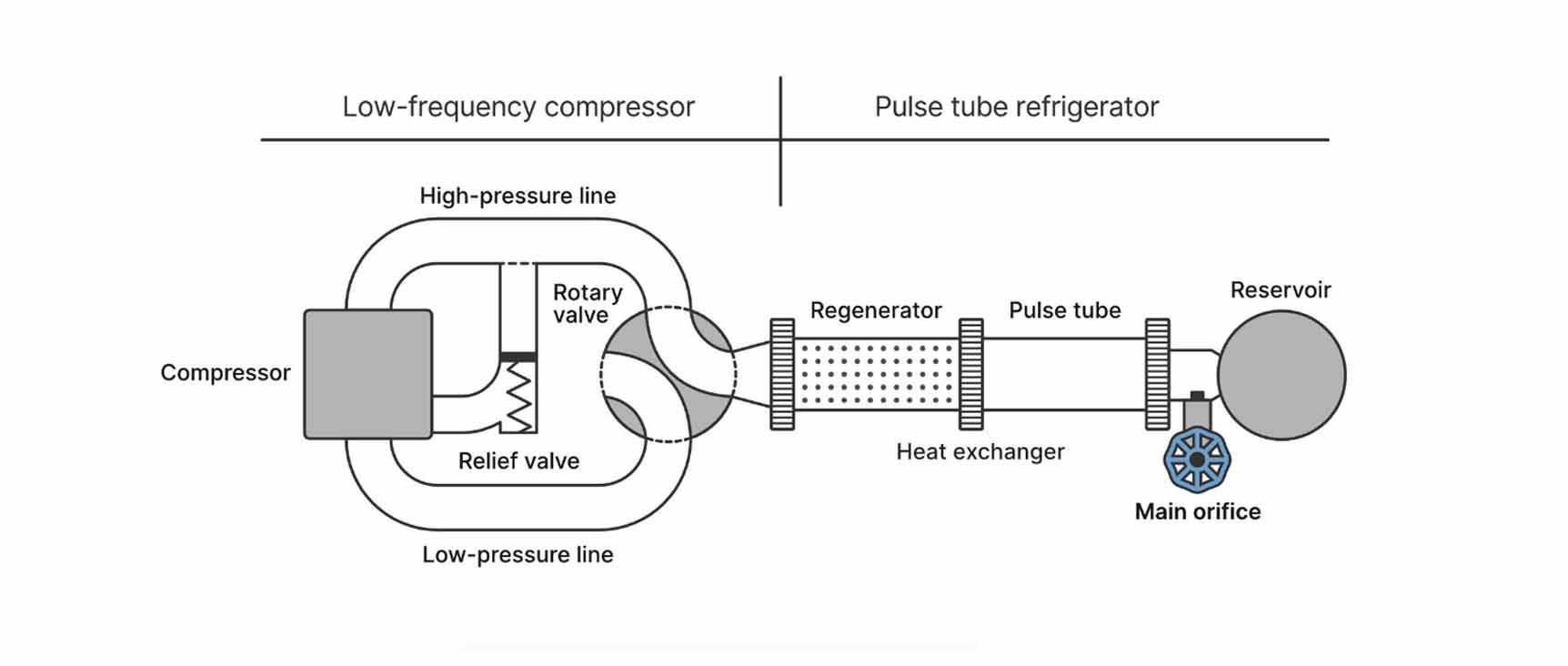
Pulse Tube Cryocoolers achieve cryogenic temperatures without any moving parts in the cold section. Instead of a displacer, they use oscillating gas flow within a tuned pulse tube to create a temperature gradient. The cooling power is based on periodic compression and expansion of helium gas. The phase difference between pressure and mass flow is crucial for generating net refrigeration.
Efficiency Comparison
Pulse Tube Cryocoolers achieve cryogenic temperatures without any moving parts in the cold section. Instead of a displacer, they use oscillating gas flow within a tuned pulse tube to create a temperature gradient. The cooling power is based on periodic compression and expansion of helium gas. The phase difference between pressure and mass flow is crucial for generating net refrigeration.
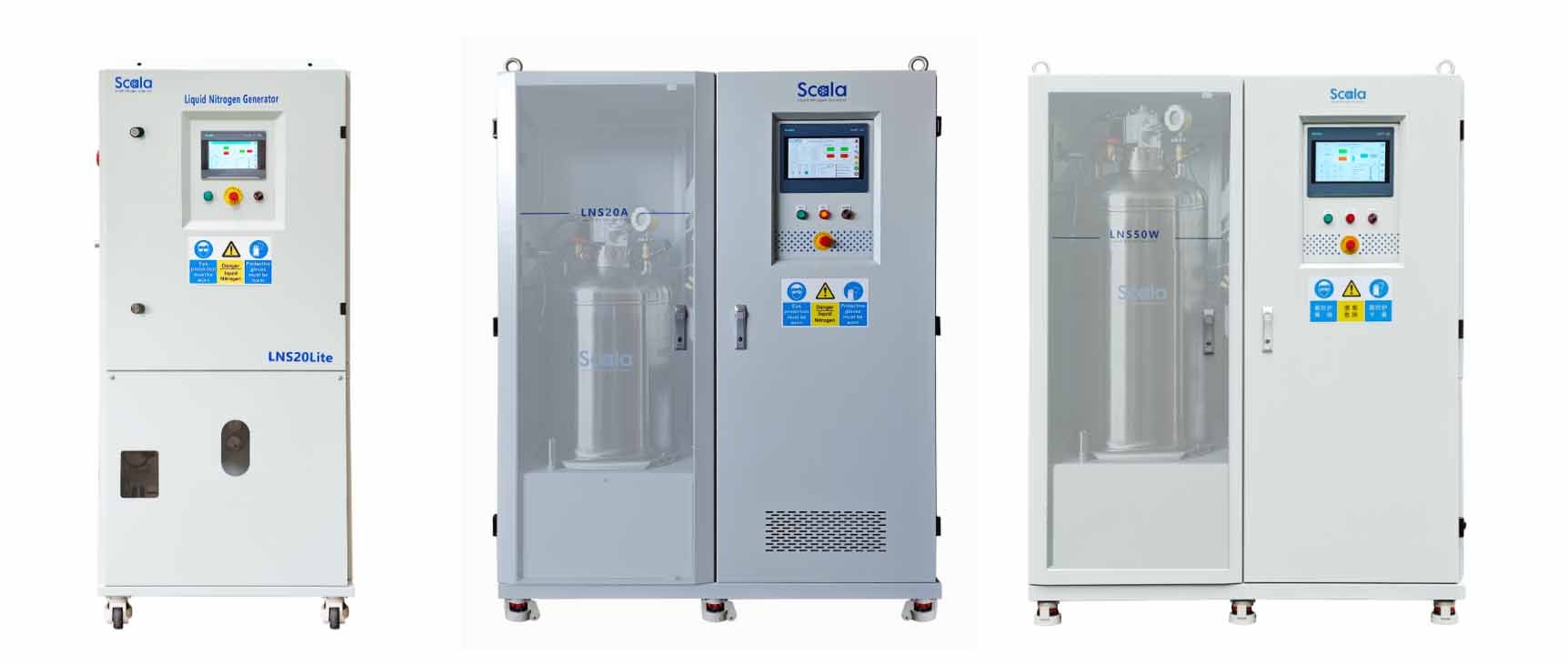
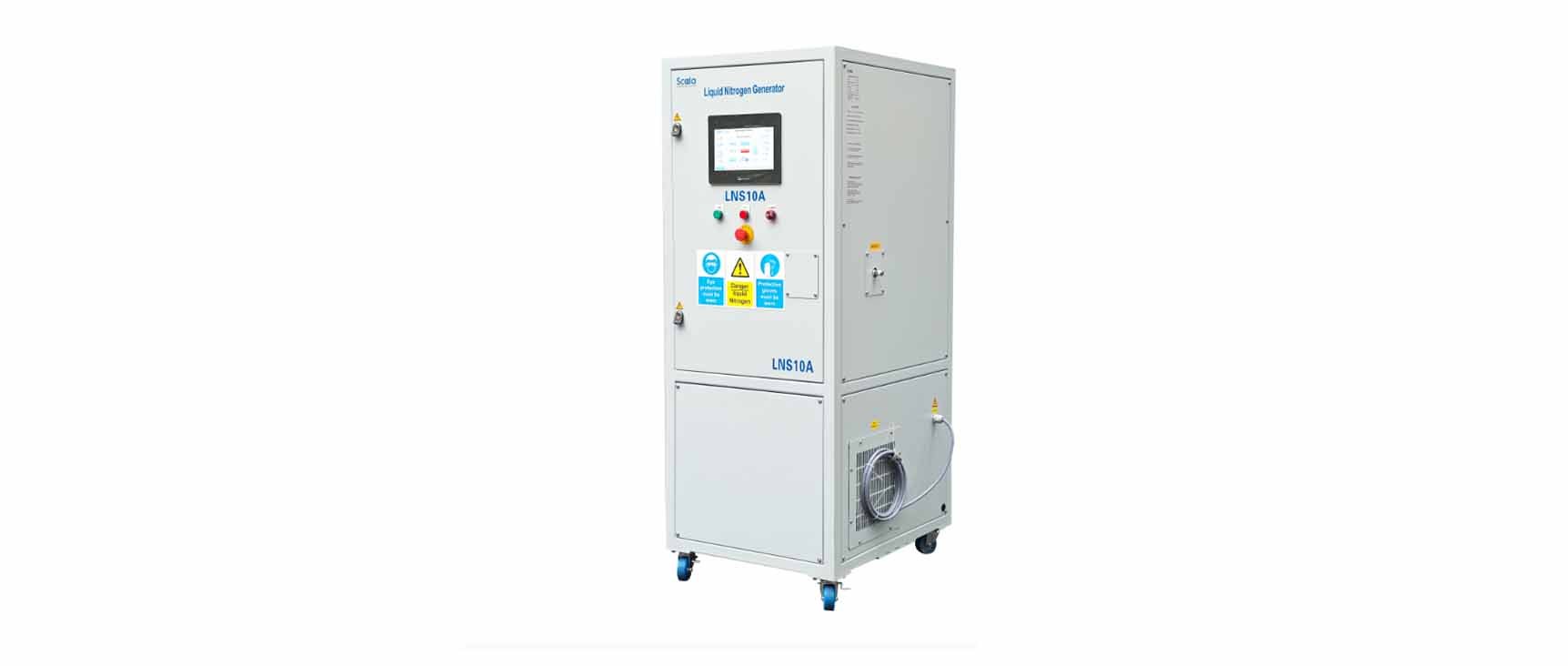
Pulse Tube Cryocoolers (PTCs) have traditionally offered lower thermodynamic efficiency than GM systems, although continuous technological advancements have significantly improved their performance in recent years. Their key advantages include the absence of moving parts at the cold end, resulting in lower vibration, reduced maintenance, and enhanced long-term reliability. In Scala's product range, the LNS10A is equipped with a Pulse Tube Cryocooler, providing an excellent balance of efficiency, reliability, and compact design for lower-capacity liquid nitrogen production.
Vibration and Noise Analysis
Pulse Tube Cryocoolers (PTCs) offer a distinct advantage in vibration-sensitive environments due to the absence of moving parts at the cold end. For the liquid nitrogen generator LNS10A, we can make it as low as 60 dB(A) at 1 meter distance.
Compared with PTCs, GM (Gifford-McMahon) cryocoolers generally produce higher operating noise and vibration because of the reciprocating displacer mechanism inside the cold head. Typical noise levels are approximately 65–68 dB(A) measured at a distance of 1 meter, although actual values vary depending on the compressor model, installation, and operating conditions.
Lifespan and Maintenance
PTCs typically offer longer maintenance intervals — Scala's PTC units are rated for 120,000+ hours (≈14 years). GM cryocoolers require displacer seal replacement every 20,000-40,000 hours, even 60,000 hours if working under ideal conditions.
Scala's Dual-Technology Approach
Scala offers both GM and pulse tube cryocooler configurations, allowing customers to choose the optimal technology for their specific application.