Biogas Upgrading System
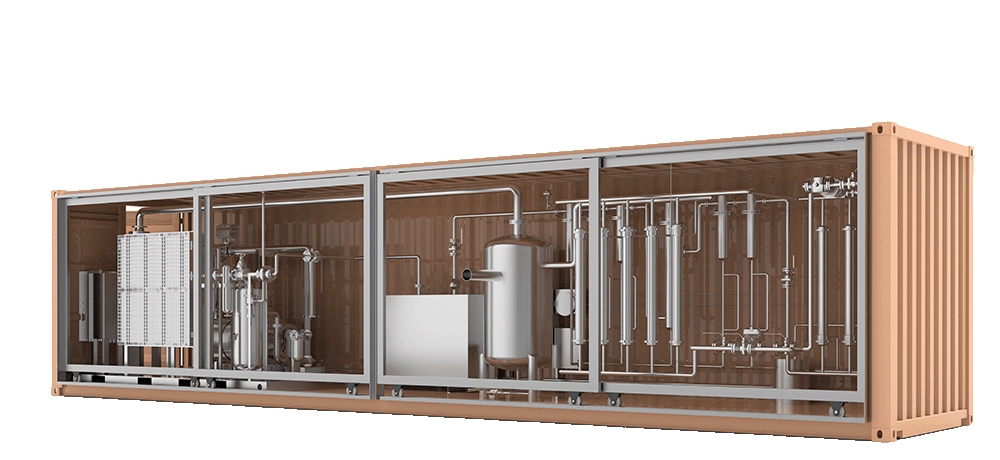
JWMD96N Series Biogas Upgrading Machine
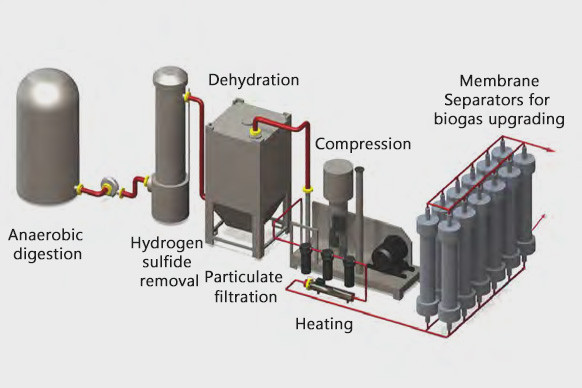
Biogas purification/upgrading machine is a system which upgrades biogas produced from biomass fermentation to commercially variable high purity mechane (CH4), normally 95~99%. The process consists of raw biogas compression, desulfication, filtration and purification. With Scala's all-in-one biogas upgrading system, one step biogas upgrading is possible.
· 95%~99% High Purity CH4
· 12,000~20,000m³/day Flow Rate
· Reliable Running with Easy Operation
· Automation System & Stability
· Wide Adaptability for Variable Digestion Plant
· PRISM Membrane Separation Technology
Introduction
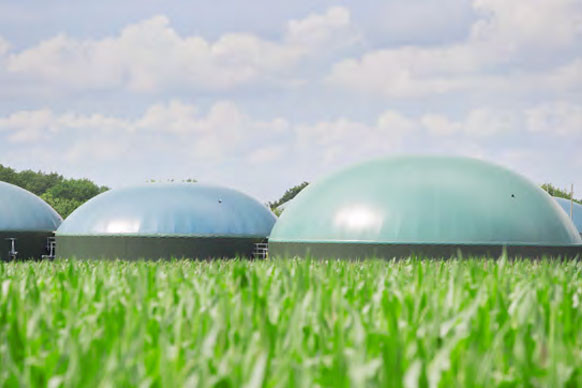
Biogas is the production of methane from anaerobic digestion of farm wastes, manure, or municipal waste. Biogas contains high concentrations of carbon dioxide, hydrogen sulfide, and other impurities which need to be removed to make the methane commercially viable. The purified biomethane is used to generate heat and power, compressed for powering vehicles, or fed directly into the natural gas grid for resale.
Typical Biogas Process Flow
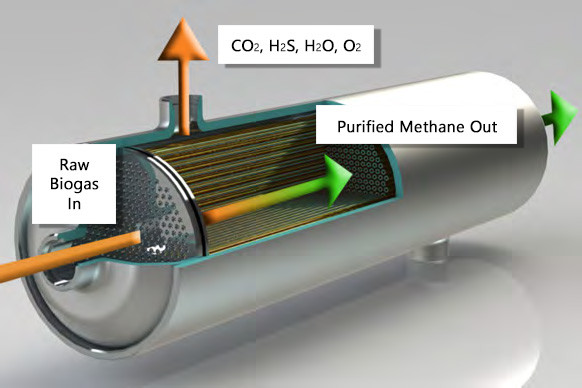
PRISM® membrane separators for biogas upgrading contain thousands of tiny hollow fibers. Smaller gas molecules, like carbon dioxide and water vapor, diffuse through the membrane walls while the larger methane molecules are transported the length of the tube and exit from the end of the module.
Air Products' PRISM® separators use proprietary hollow fiber membranes to selectively remove unwanted elements from biogas streams produced during the anaerobic digestion process. Thousands of tiny hollow fibers are spun from polymers in our state-of-the art production facility and assembled into durable and lightweight aluminum casings.
When biogas is fed into the membrane separator under pressure, the unwanted gas molecules are selectively removed. This results in a purified stream of biomethane which is ready for industrial use and does not require secondary chemical scrubbing solutions.
Competing Technologies
The primary objectives of biogas upgrading systems are to remove carbon dioxide, hydrogen sulfide, water vapor, and oxygen. Membrane technology is one of several ways to separate methane from a biogas stream and each technology has distinct advantages and disadvantages.
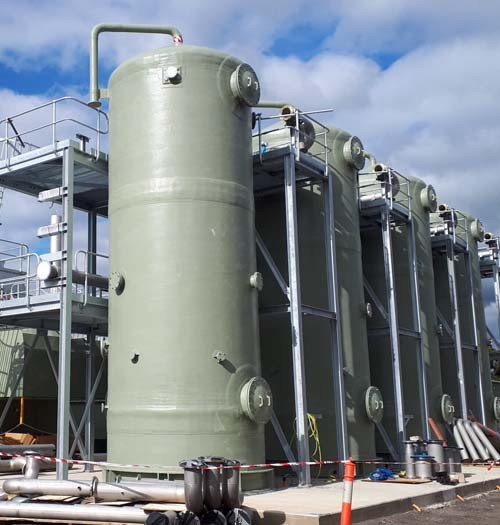
Operations which have access to copious water, like a publicly owned treatment facility, may consider a water scrubbing tower as a viable technology. Alternatively, facilities with less access to water and limited capital resources, may find water scrubbing outside the scope of their project.
Water Scrubbing
Advantages: Good technology where wash water is abundant. Also more efficient in cold climates as colder water increases CO2 solubility. Able to process large volumes of gas.
Disadvantages: Requires 150 liters of water per normal meter cube per hour (Nm3) of raw biogas. Recirculated systems experience biofouling and require removal of H2S and CO2. Introduces oxygen and moisture into gas stream. Electrical demand for pumping and cooling.
PSA with CMS
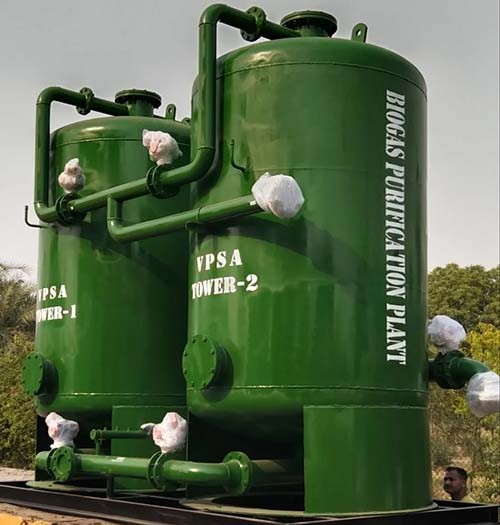
Advantages: Successful at removing a number of different compounds present in raw biogas. Can produce 96% pure methane. No solvents to dispose. Carbon sieves' usable lifetime up to 3 years.
Disadvantages: Some methane losses to environment during adsorb cycle. Requires significant energy for compressors. Many mechanical components require maintenance.
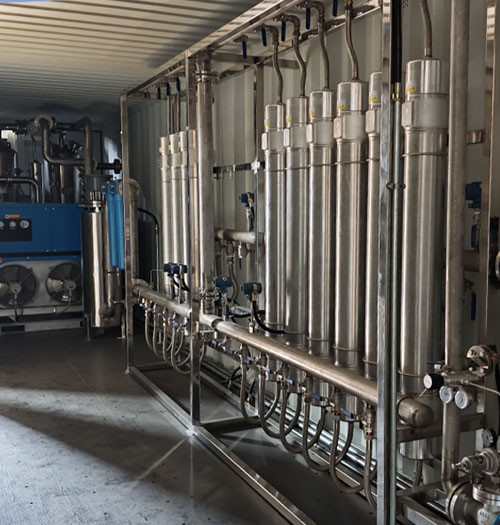
Membrane Separation
Advantages: Passive technology requires minimal supervision. Systems scalable by adding or reducing the number of modules
online. Multiple stage systems can produce 99% pure methane. Efficient at removing water vapor. Low capital investment. Membranes' usable lifetime 8 to 12 years.
Disadvantages: Single stage 88% to 93% purity. Energy required to heat gas plus compression.
Manufacturing Plant
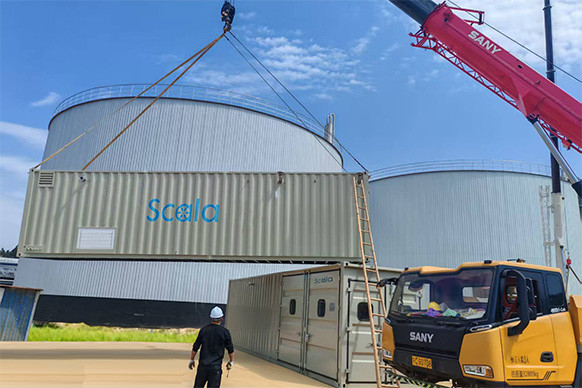
Scala's manufacturing plant for biogas updrading machines occupies a room of 12,000 squre meters. In this plant we can produce biogas upgrading/purification machine in standard containers, water srubbing tower, filters, dry desulfurization towers, etc.
Advantages
High-Quality Product (Biomethane)
Upgrading increases the methane concentration to over 97%, allowing it to be used as a direct substitute for natural gas, often called Renewable Natural Gas (RNG) or biomethane.
Environmental Benefits
Biogas upgrading systems significantly reduce greenhouse gas emissions compared to traditional, low-tech waste management, converting waste into a clean, renewable energy source.
Operational Efficiency
Modern systems with PRISM membrane separators are designed for high efficiency, with low power consumption and automatic operation, reducing labor and oversight.
Robust construction
PRISM membrane modules are engineered to operate in harsh environments. Vibration, corrosive atmospheres, and changing elements have little effect on membrane performance.
Scalability & Small Footprint
Technologies with PRISM membrane-based upgrader offers compact, modular designs that can be scaled to fit the specific biogas production volume of a plant.
Increased Revenue/ROI
By creating a high-quality, marketable product (biomethane), plants can sell fuel for vehicles or inject it into the grid, offering a faster return on investment and better financial performance.
Project References
A glimpse of the projects we've done in China and abroad.
Shanxi, China 5,000 Nm³/Day
Owner: BFBF Bio Energy
Flow Rate: 210Nm³/Hr
CH4 Purity: 60%
Upgrading Purity: 96-98%
CH4 Recovery Rate: 96%
Membrane QTY: 5
Selling: Jincheng CNG Grid
Project Year: 2025
Fujian, China 40,000 Nm³/Day
Owner: Fujian Sunner Gruop
Flow Rate: 1,670Nm³/Hr
CH4 Purity: 52%
Upgrading Purity: 96-98%
CH4 Recovery Rate: 96%
Membrane QTY: 24
Selling: Huarun CNG Grid
Project Year: 2025
Vietnam, 10,000 Nm³/Day
Biogas source: Cassava starch wastewater
Flow Rate: 410Nm³/Hr
CH4 Purity: 55%
Upgrading Purity: 96-98%
CH4 Recovery Rate: 96%
Membrane QTY: 5
Selling: Jincheng CNG Grid
Project Year: 2025
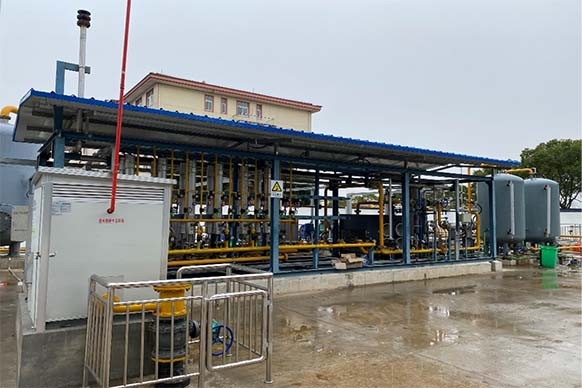
Hubei, China 15,000 Nm³/Day
Owner: Xiangyang Power LTD
Flow Rate: 600Nm³/Hr
CH4 Purity: 72%
Upgrading Purity: 95%
CH4 Recovery Rate: 95%
Membrane QTY: 15
Selling: CNG
Project Year: 2020
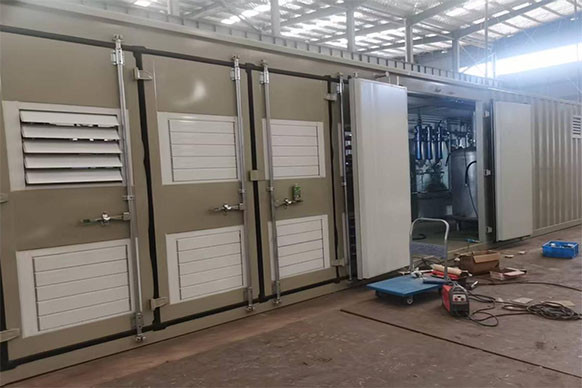
Shangdong, China 12,000 Nm³/Day
Ower: Yili Dairy
Flow Rate: 500Nm³/Hr
CH4 Purity: 55%
Upgrading Purity: 96%
CH4 Recovery Rate: 98%
Membrane QTY: 12
Selling: CNG Grid
Project Year: 2025
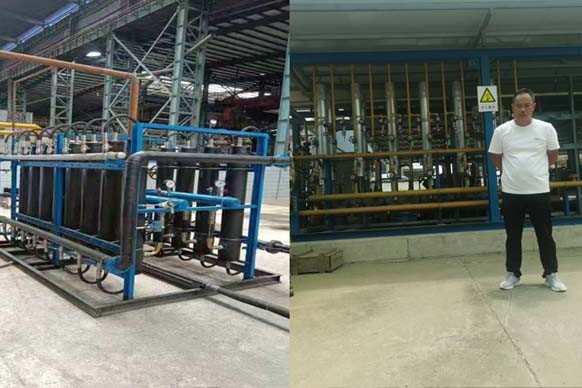
Hebei, China 20,000 Nm³/Day
Owner: Kangchuang Bio Energy
Flow Rate: 840Nm³/Hr
CH4 Purity: 66%
Upgrading Purity: 96%
CH4 Recovery Rate: 96%
Membrane QTY: 12
Selling: CNG Grid
Project Year: 2022
8 results
ViewShowcase
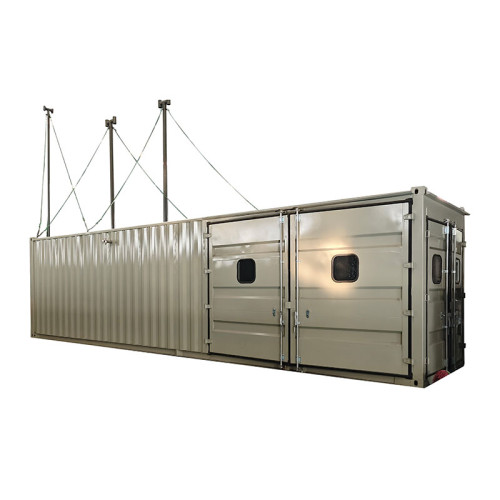
JWMD96N-840 advanced biomethane purification system to purify biogas to 95%~99.5% purity methane out of biogas plant with Air Products' 3-stage membrane separators.
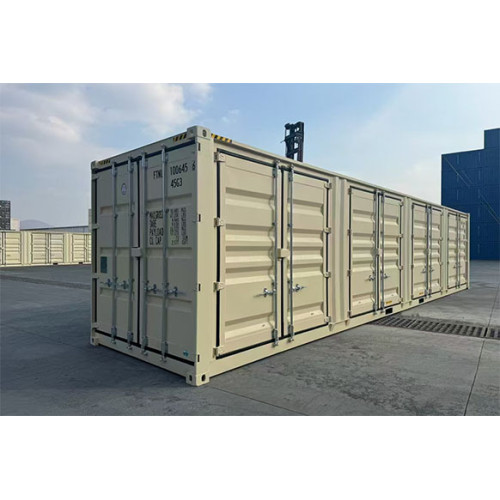
With a daily 15000m³ flow rate processing rate, JWMD96N-625 biogas upgrading plant is designed to upgrade biogas to 95% to 99.5% CH4 to methane grid or for liquefaction.
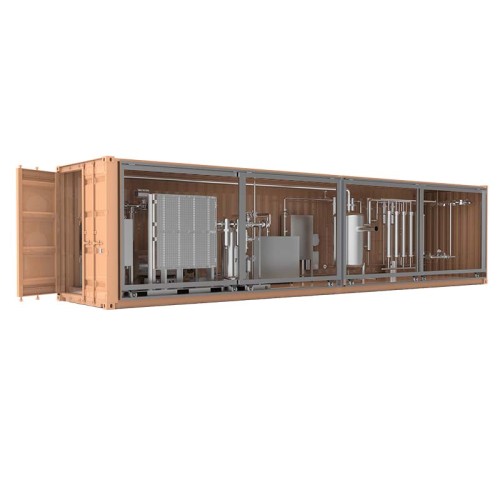
JWMD96N-500 modular biogas upgrading unit is designed to purify biomethane from digestion plant to commercially viable methane at a daily 12000m³ processing rate for further application.
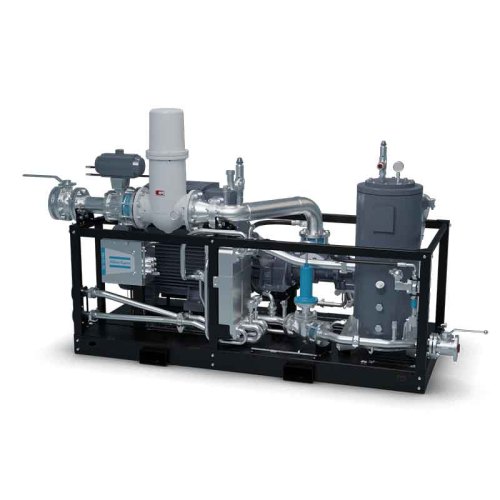
The SQ135-15 is a integrated biogas compression system to provide up to 15 bar compressed biogas for upgrading to high purity bio-methane. The system, built in a standard container, integrates Atlas biogas screw compressor powered by electric motor with variable speed drive to provide reliable and safe compressed biogas with low energy cost.
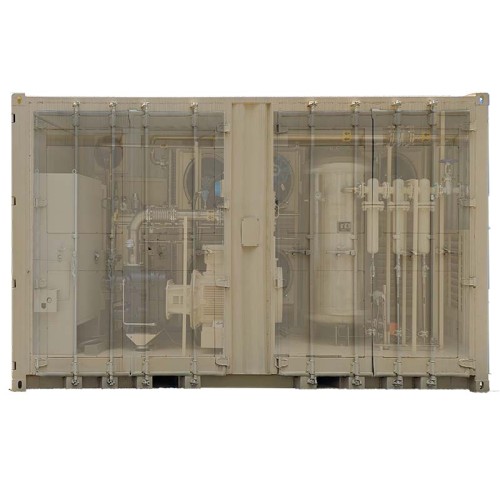
The SQ90-15 is a integrated biogas compression system to provide up to 15 bar compressed biogas for upgrading to high purity bio-methane. The system, built in a standard container, integrates Atlas biogas screw compressor powered by electric motor with variable speed drive to provide reliable and safe compressed biogas with low energy cost.
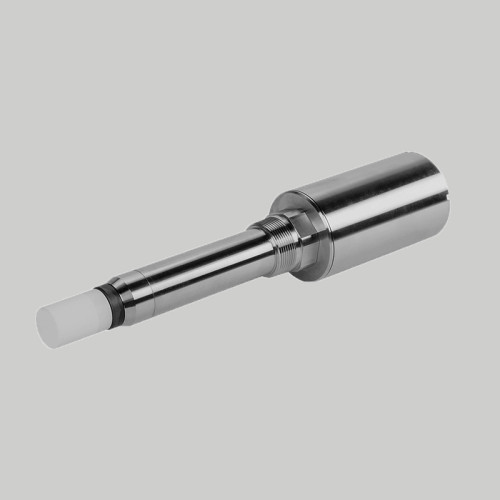
The MGP261 measures methane, carbon dioxide and humidity in demanding environments. This compact instrument is Ex certified to zone 0, which enables in-line installation in explosive atmospheres, offering real-time gas composition without sample extraction or treatment.
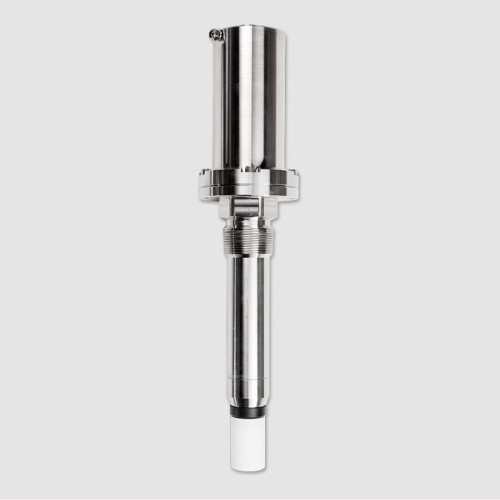
Vaisala CARBOCAP® MGP262 Multigas Probe for Methane and Carbon Dioxide Measurement is designed for demanding in situ measurement of the offgas in the biogas upgrading process, where low concentrations of methane need to be measured reliably and with high accuracy in the presence of high concentrations of carbon dioxide.
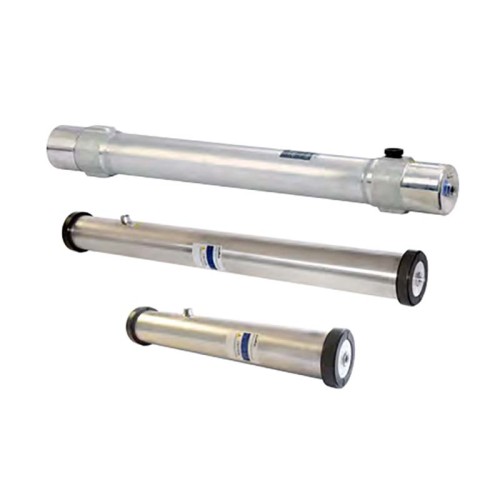
PRISM membrane separators for biogas upgrading contain thousands of tiny hollow fibers. Smaller gas molecules, like carbon dioxide and water vapor, diffuse through the membrane walls while the larger methane molecules are transported the length of the tube and exit from the end of the module.